
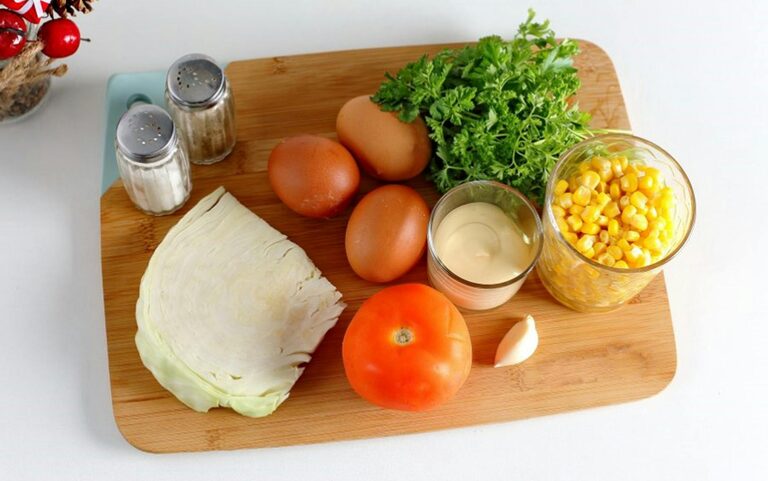
Planning balanced meals doesn’t have to be complicated or stressful. Whether you’re cooking for yourself, your family, or a group, creating nutritious, delicious meals that satisfy everyone is achievable with a bit of guidance. In this post, we’ll explore practical steps and simple tips to help you plan balanced meals without the stress.
Why Balanced Meals Matter
Balanced meals give your body the right mix of nutrients for energy, growth, and overall health. They typically include:
– Proteins: such as lean meats, beans, tofu, or dairy.
– Carbohydrates: like whole grains, fruits, and vegetables.
– Healthy fats: from nuts, seeds, avocados, or olive oil.
– Vitamins and minerals: mainly found in colorful fruits and veggies.
Eating balanced meals regularly can improve mood, boost energy, and support bodily functions.
Step 1: Understand Your Basic Meal Components
Before planning, it helps to know the key parts of a balanced meal. Aim to fill half your plate with vegetables and fruits, a quarter with protein, and the remaining quarter with whole grains. Add a small portion of healthy fats to round out the meal.
This simple guide makes building meals straightforward and flexible.
Step 2: Keep a List of Go-To Foods
Having a list of your favorite healthy ingredients speeds up meal planning and grocery shopping. Include:
– Proteins: chicken, lentils, eggs, fish, chickpeas
– Grains: brown rice, quinoa, whole-wheat pasta, oats
– Vegetables: spinach, carrots, bell peppers, broccoli
– Fruits: apples, berries, bananas, oranges
– Healthy fats: olive oil, nuts, seeds, avocado
Rotate these ingredients to keep meals interesting without extra hassle.
Step 3: Plan Meals in Advance
Planning your meals ahead of time reduces last-minute decisions and stress. You can:
– Create a weekly meal plan, listing breakfasts, lunches, dinners, and snacks.
– Use simple themes (like “Meatless Monday” or “Taco Tuesday”) to guide ideas.
– Prepare some ingredients or entire meals in advance, such as chopping veggies or cooking grains.
Even planning three meals for a few days can bring calm and order to your kitchen.
Step 4: Use Easy Recipes and Versatile Cooking Methods
Choose recipes that are simple and use ingredients you already enjoy. Some fan-favorite cooking methods include:
– Stir-frying: Quick and easy, perfect for veggies and proteins.
– Sheet-pan meals: Toss everything on one pan, roast, and serve.
– Slow cooking: Set it in the morning and come home to a ready meal.
– Salads and bowls: Combine cooked grains, fresh veggies, and proteins.
This approach minimizes time and effort while maximizing balanced nutrition.
Step 5: Don’t Forget Snacks and Hydration
Balanced meals also involve healthy snacks and proper hydration throughout the day.
Good snacks include:
– Fresh fruit with nut butter
– Greek yogurt with honey and nuts
– Veggie sticks with hummus
– A handful of mixed nuts
Stay hydrated by drinking water regularly, and consider herbal teas for variety.
Step 6: Be Flexible and Forgive Imperfection
Meal planning isn’t about rigid rules. Sometimes plans change, or cravings take over. That’s okay!
– Swap ingredients as needed.
– Use leftovers creatively.
– Allow yourself occasional treats without guilt.
The goal is balance over time, not perfection every day.
Bonus Tips for Stress-Free Meal Planning
– Use technology: Apps and online calendars can help organize your plans and grocery lists.
– Shop smart: Stick to your list, buy seasonal produce, and shop sales.
– Batch cook: Prepare large portions and freeze extras.
– Involve family: Let everyone choose a recipe or help with cooking.
Conclusion
With these simple strategies, planning balanced meals can become a manageable and even enjoyable part of your routine. Remember to focus on variety, preparation, and flexibility to take the stress out of mealtime. Start small, keep your favorite foods in rotation, and gradually build your meal planning skills. Your body and mind will thank you!
Happy cooking!